Compliance Officer: The Key Guardian of Corporate Integrity and Legal Adherence
Understanding the Role, Responsibilities, and Career Path of a Compliance Officer

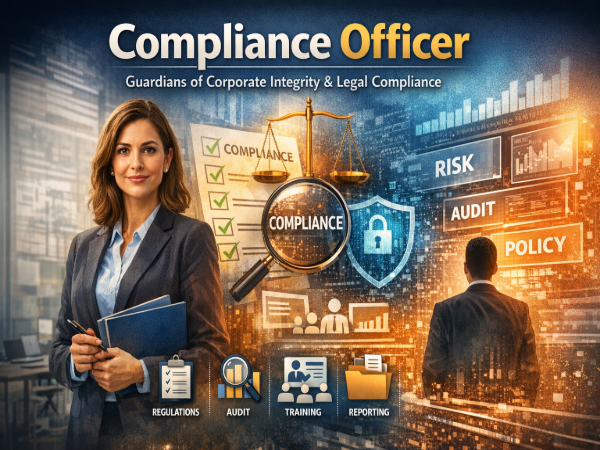
A compliance officer is a vital professional in any organization, ensuring that the company adheres to legal regulations, industry standards, and internal policies. They proactively monitor, assess, and manage compliance risks, helping prevent legal violations, financial losses, or reputational damage. By designing compliance programs, conducting audits, providing employee training, and maintaining clear reporting systems, compliance officers uphold organizational integrity, foster a culture of accountability, and promote ethical business practices across all levels of the organization.
What is a Compliance Officer?
A compliance officer is a professional responsible for ensuring that an organization operates within the boundaries of applicable laws, regulations, and internal corporate policies. In an era of increasingly complex regulatory environments, companies face heightened scrutiny from regulators, stakeholders, and the public. Compliance officers act as the bridge between the business operations and legal obligations, ensuring that every process, transaction, and decision aligns with required standards.
Their role is not limited to enforcing rules; it extends to shaping the corporate culture by promoting ethical behavior, transparency, and accountability. A strong compliance framework helps companies avoid costly fines, reputational damage, and legal challenges, making compliance officers essential to modern business operations.
Importance of a Compliance Officer
The role of a compliance officer is increasingly critical in today’s corporate landscape. Companies face constant changes in local and international laws, industry regulations, and internal governance standards. Non-compliance can lead to:
Legal Penalties: Fines, sanctions, or lawsuits due to violations.
Financial Losses: Costs associated with investigations, settlements, or operational disruptions.
Reputational Damage: Loss of trust among customers, investors, and employees.
By proactively managing these risks, compliance officers safeguard the organization and provide leadership with the confidence to operate within legal and ethical boundaries. Their presence demonstrates the company’s commitment to integrity, which is crucial for long-term success.
Key Responsibilities of a Compliance Officer
A compliance officer’s role encompasses multiple duties that ensure an organization remains legally compliant and ethically grounded. Some of the core responsibilities include:
Developing and Implementing Compliance Policies
Compliance officers design policies and procedures that align with laws and industry standards. They ensure these policies are clear, practical, and applicable to daily business operations. This includes anti-corruption guidelines, data protection rules, financial reporting standards, and workplace ethics policies.
Conducting Risk Assessments and Audits
Regular audits and risk assessments are critical to identifying potential vulnerabilities. Compliance officers evaluate processes, monitor transactions, and perform checks to detect areas where violations may occur. By doing so, they prevent risks before they escalate into serious legal or financial issues.
Employee Training and Awareness
Educating staff on compliance requirements is vital. Compliance officers develop training programs to help employees understand regulations, internal policies, and the consequences of non-compliance. Well-trained employees are better equipped to act ethically and make decisions that align with organizational standards.
Monitoring Regulatory Changes
Laws and regulations are constantly evolving. Compliance officers must stay informed about new legislation, updates to existing rules, and emerging industry standards. They then adjust policies and practices accordingly to ensure ongoing compliance.
Investigating Violations and Reporting
When breaches occur, compliance officers conduct thorough investigations to identify causes and determine accountability. They prepare detailed reports for management or regulators, recommending corrective actions to prevent future occurrences.
Advising Management and Stakeholders
Compliance officers play a consultative role by guiding executives on regulatory risks and compliance strategies. Their advice helps management make informed decisions that balance business objectives with legal obligations.
Essential Skills for a Compliance Officer
To be effective in this role, compliance officers must possess a blend of technical knowledge, analytical skills, and interpersonal abilities. Key skills include:
Legal and Regulatory Knowledge: Understanding relevant laws, regulations, and standards.
Analytical Thinking: Ability to identify risks, assess their impact, and develop solutions.
Communication Skills: Explaining complex rules in a clear, practical manner to employees and stakeholders.
Attention to Detail: Spotting discrepancies, errors, or potential violations.
Ethical Judgment: Maintaining integrity and promoting a culture of accountability.
Problem-Solving: Resolving compliance issues effectively and efficiently.
Industries Where Compliance Officers Work
Compliance officers are essential in industries with high regulatory scrutiny. Some key sectors include:
Finance and Banking: Monitoring transactions, anti-money laundering compliance, and financial reporting.
Healthcare: Ensuring patient data protection, ethical medical practices, and regulatory adherence.
Manufacturing: Compliance with safety standards, environmental regulations, and labor laws.
Technology: Data privacy, cybersecurity, and software licensing compliance.
Education: Adhering to accreditation requirements and ethical governance standards.
Career Path and Qualifications
Educational Requirements
Most compliance officer positions require a bachelor’s degree in law, finance, business administration, or a related field. Advanced degrees or certifications enhance prospects, especially in highly regulated industries.
Certifications for Compliance Officers
Professional certifications help compliance officers demonstrate expertise, including:
Certified Compliance & Ethics Professional (CCEP)
Certified Regulatory Compliance Manager (CRCM)
Certified Fraud Examiner (CFE)
Financial Industry Regulatory Authority (FINRA) Certifications
Career Progression
Entry-level compliance roles may include compliance analyst or junior officer positions. With experience, professionals can advance to senior compliance officer, compliance manager, or chief compliance officer roles. Leadership positions involve strategic decision-making, risk oversight, and organizational policy development.
Challenges Faced by Compliance Officers
Compliance officers operate in complex environments, facing challenges such as:
Rapidly Changing Regulations: Keeping up with new laws across multiple jurisdictions.
Global Operations: Ensuring compliance in multinational companies with diverse legal requirements.
Internal Resistance: Overcoming organizational inertia or reluctance to change.
Data Management: Handling sensitive information securely and in accordance with privacy laws.
Overcoming these challenges requires vigilance, adaptability, and continuous learning.
The Future of Compliance Roles
The role of regulatory professionals is expanding with technological advancements and increasing regulatory scrutiny. Future trends include:
Integration of Technology: Using AI and data analytics to monitor adherence and detect anomalies.
Emphasis on Ethics: Beyond legal compliance, companies are focusing on ethical conduct and social responsibility.
Global Standards Alignment: Companies seek harmonized governance frameworks across international operations.
Specialization: Niche regulatory roles, such as cybersecurity governance specialists or ESG (Environmental, Social, Governance) compliance managers, are emerging.
Why Every Company Needs a Governance Specialist
In today’s complex business world, a regulatory manager is not just a legal necessity; they are a strategic asset. They:
Prevent costly legal and financial risks.
Promote a culture of accountability and integrity.
Build stakeholder trust by ensuring ethical business practices.
Serve as a critical advisor to executives, shaping corporate strategy.
Organizations that invest in strong governance frameworks are better positioned to thrive in competitive markets while avoiding legal pitfalls.
Conclusion
A regulatory professional is much more than a rule enforcer. They are the guardians of corporate integrity, the architects of ethical practices, and the advisors who guide companies safely through complex legal landscapes. By monitoring risks, implementing governance programs, training employees, and fostering accountability, these specialists ensure that organizations operate legally, ethically, and sustainably. Their role is indispensable in protecting companies from financial, legal, and reputational harm, making them a cornerstone of modern corporate governance.