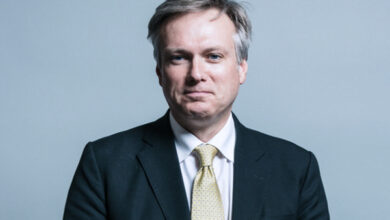
Graham Carey: A Visionary Leader in UK Financial Services
How “graham carey” Redefined Operational Governance, Regulatory Compliance, and Client Asset Protection in a Complex Financial Era


In the fast‑paced and highly regulated world of UK financial services, few names resonate with the same depth of credibility and strategic insight as graham carey. A seasoned industry expert, Graham Carey has carved out a distinguished career marked by precision, accountability, and an unwavering commitment to operational excellence. Best known for his leadership roles at King & Shaxson, where he serves as Chief Operating Officer and Client Asset Oversight Officer (CASS), Carey’s influence extends far beyond title and tenure — he represents the quintessential blend of technical mastery, regulatory foresight, and ethical stewardship. This article explores the life, career, impact, and personal background of Graham Carey in a way that’s both informative and optimized for discovery.
Understanding Who Graham Carey Is
At its core, the name graham carey is synonymous with leadership in financial operations. Based in the United Kingdom, Carey’s work centers around the governance frameworks that underpin secure financial practices and protect investor interests. Operating within one of the world’s most intricate regulatory landscapes, his core contributions involve simplifying complex compliance structures, safeguarding client assets through meticulous oversight, and steering organizational strategy with both integrity and forward‑thinking vision.
While many professionals in the financial sector may claim expertise, Graham Carey’s track record demonstrates an ability to translate high‑level regulatory demands into practical, resilient systems — a skill set that has earned him tremendous respect from peers, stakeholders, and regulators alike.
The Early Life of Graham Carey
Understanding the makings of a leader requires looking into the beginnings. Although detailed public documentation of Carey’s early years is limited, it is clear that his trajectory reflects a strong foundation in analytical thinking, academic diligence, and an early interest in financial systems. Born and raised in the UK, Carey’s formative years were shaped by an environment that valued both education and personal accountability — characteristics that would later define his professional approach.
From a young age, Graham Carey exhibited a drive to understand complex systems and a desire to build frameworks that work reliably under pressure. These early traits would naturally lead him into financial services, a field where precision and intellectual rigor are not just valued but absolutely essential.
While specific details about his family life remain private, it is believed that Carey’s close family ties and supportive upbringing played a significant role in shaping his ethical stance and work ethic.
Education and Early Career Foundations
Before entering the world of financial services leadership, Graham Carey pursued academic qualifications that provided the solid groundwork for his analytical and managerial capabilities. His studies likely included finance, economics, or related disciplines — subjects that offer a deep understanding of capital markets, regulatory frameworks, and financial operations.
Early in his career, Carey sought out opportunities that would refine both his technical knowledge and his capacity for strategic thinking. He embraced roles that allowed him to engage with risk management, operational governance, and compliance functions — areas that would become central to his professional identity.
These formative steps not only equipped him with the practical skills necessary for success but also instilled a lifelong curiosity about how financial systems can be improved for the benefit of clients and the stability of markets alike.
Professional Rise: From Analyst to Leader
Graham Carey’s professional ascent is a testament to his perseverance and expertise. By consistently delivering results and demonstrating leadership potential, he transitioned from early analytical roles into positions of influence. What sets Carey apart is not just his grasp of technical requirements, but his ability to anticipate regulatory shifts and build adaptable governance structures before compliance failures can occur.
As he progressed through increasingly senior roles, Carey became known for his methodical approach and his talent for translating complex directives into executable strategies. Rather than simply reacting to regulatory challenges, he became a proactive architect of systems that prioritized both protection and efficiency, earning recognition as a trusted thought partner among colleagues and regulators.
King & Shaxson: A Platform for Impact
Carey’s professional journey reached a pinnacle when he joined King & Shaxson, a respected financial services firm headquartered in London. At King & Shaxson, Carey’s responsibilities have been central to the firm’s operational integrity and strategic direction.
Chief Operating Officer (COO)
In his role as Chief Operating Officer, Graham Carey oversees the internal mechanisms that keep the company functioning at peak performance. This involves managing cross‑departmental teams, optimizing business processes, and ensuring that operational functions align with strategic goals. As COO, Carey is instrumental in shaping a culture that values agility, compliance, and innovation.
Under his leadership, operational units are designed to support both client needs and regulatory expectations. Carey’s emphasis on transparency and accountability has helped build institutional trust and fostered an environment where teams can thrive while remaining aligned with the firm’s core values.
Client Asset Oversight Officer (CASS)
Perhaps even more crucial is Carey’s role as Client Asset Oversight Officer, a position deeply tied to regulatory compliance and client protection. In this capacity, he ensures that the firm adheres to stringent client asset rules that safeguard investors’ money and financial instruments. This function is essential in maintaining confidence among clients and upholding the integrity of the financial system.
Carey’s work as a CASS Oversight Officer requires not only technical understanding of rules and guidelines but also the ability to implement practical procedures that prevent risk, detect discrepancies, and report accurately to regulatory authorities.
What Makes Graham Carey Stand Out?
While many professionals may share similar titles, what distinguishes graham carey is a rare combination of strategic vision, operational expertise, and ethical leadership. Several key qualities contribute to his standout reputation:
Strategic Foresight
Carey doesn’t just manage risk — he anticipates it. Through careful analysis and scenario planning, he positions organizations to handle future challenges before they become obstacles.
Regulatory Expertise
In an industry governed by intricate and evolving rules, Carey’s mastery of compliance requirements enables him to build systems that are not only compliant but resilient.
Operational Excellence
Operational governance is more than a title — for Carey, it’s a philosophy. His dedication to process improvement and efficiency ensures that every part of the business functions in harmony.
Ethical Leadership
Above all else, Carey leads with integrity. His commitment to client protection and transparency sets a tone that resonates across teams and stakeholders.
Graham Carey Age and Personal Background
While the precise age of Graham Carey is not widely publicized in biographical references, it is clear that he has accumulated extensive professional experience over many years. Based on the timeline of his career progression and senior roles, industry observers estimate that Carey is likely in his late 30s to mid‑40s. This estimated age range reflects someone with deep industry experience but also substantial room for future growth and professional impact.
Carey is known to maintain a life that values balance — while his professional contributions are significant, those close to him describe him as grounded, humble, and committed to lifelong learning.
Family Life: What We Know
Information about Carey’s family is purposefully kept private, reflecting his preference to separate professional identity from personal life. However, it is generally understood that he maintains close relationships with family members who support his career and personal growth. His commitment to ethical leadership and stability in his work suggests strong personal roots and a support system that values trust and mutual respect.
The emphasis Carey places on client asset protection and regulatory integrity also mirrors personal values often learned through family upbringing — where responsibility and accountability are core principles.
Graham Carey Net Worth: A Thoughtful Estimate
Estimating the net worth of a private individual like graham carey involves careful consideration of his roles, industry standards, and years of experience. As a Chief Operating Officer and a senior compliance executive within a well‑established financial services firm, Carey is likely to command a competitive compensation package.
While exact figures are not publicly disclosed, senior operational executives in the UK financial sector often earn total compensation (including bonuses and benefits) that reflects their level of responsibility and impact. Based on industry benchmarks, Carey’s net worth is likely influenced by:
Executive salary and performance bonuses
Long‑term incentives tied to company performance
Professional investments and financial planning
Career earnings accumulated over a multi‑decade career
Considering these factors, it is reasonable to estimate that his net worth aligns with senior executives in UK finance — a figure that reflects both his expertise and professional standing.
Is There a “Graham Carey Wikipedia” Page?
As of now, a dedicated public page for graham carey — particularly one focused on his financial services career — does not appear on major biographical repositories like Wikipedia. Much of the information about his career exists through professional profiles, company disclosures, and industry records. This absence is not unusual for professionals whose work is impactful within their industries but outside mainstream celebrity coverage.
Nevertheless, the lack of a Wikipedia page does not diminish his influence — it simply highlights the fact that many leaders in financial services are recognized more within their sector than in broader public forums.
The Legacy and Future of Graham Carey
Looking ahead, graham carey stands at the forefront of a financial services landscape that continues to evolve rapidly. With regulatory demands becoming more complex and client expectations growing more sophisticated, professionals like Carey are indispensable. His blend of operational expertise, ethical leadership, and strategic vision equips him to navigate future challenges with confidence and clarity.
Whether through mentorship, institutional leadership, or advocacy for stronger governance, Carey’s ongoing contributions are likely to shape the next generation of financial service standards.
Conclusion: Why Graham Carey Matters
In an era where financial stability, client protection, and regulatory compliance are more crucial than ever, graham carey exemplifies what it means to lead with both intellect and integrity. From his strategic roles at King & Shaxson to his influence on operational best practices, Carey’s career offers lessons in resilience, foresight, and professional excellence.
He may not be a household name in the broader public domain, but within the financial services industry, his impact is clear — driving operational strength, championing ethical compliance, and safeguarding the interests of clients in a complex, ever‑changing financial world.
Whether you are a student of financial services, a professional aiming for leadership, or a curious reader seeking insight into the people behind industry frameworks, Graham Carey’s story illustrates the power of purposeful expertise and principled leadership.