Electronic Vision: Revolutionizing Sight with Advanced Technology
How Electronic Vision is Transforming the Lives of Millions with Visual Impairments

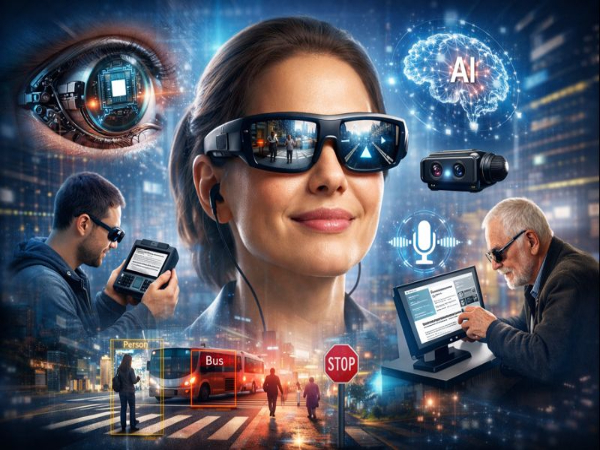
Electronic vision is an innovative technology that combines digital imaging, advanced optical systems, and artificial intelligence to enhance or restore vision for individuals with visual impairments. Often referred to as Electronic Vision Enhancement Systems (EVES), these devices use cameras, sensors, and displays to magnify, clarify, and reinterpret images, enabling users to see their surroundings more clearly. From wearable electronic glasses to stationary magnifiers, electronic vision technology is empowering millions worldwide to regain independence, perform daily tasks more efficiently, and experience the world with improved clarity.
Introduction to Electronic Vision
Electronic vision represents one of the most remarkable advances in assistive technology. Unlike traditional aids such as simple magnifying glasses or low-tech optical tools, electronic vision integrates cutting-edge technology to significantly improve visual accessibility. By combining digital imaging, optical enhancements, and artificial intelligence, these systems can transform visual information in real-time, allowing individuals with low vision to engage with their environment in ways that were previously impossible.
This technology is particularly vital for people suffering from conditions such as macular degeneration, glaucoma, diabetic retinopathy, or congenital visual impairments. With electronic vision devices, users can read text, recognize faces, navigate complex environments, and participate more fully in social and professional life. As the population ages and the prevalence of low vision rises globally, electronic vision is poised to become a key solution for visual accessibility.
How Electronic Vision Works
At the core of electronic vision is the integration of three main components:
Digital Imaging Systems
Electronic vision devices rely on miniature cameras that capture the user’s surroundings in real-time. These cameras can detect fine details, color contrast, and depth, which are then processed digitally to enhance visibility. Unlike conventional vision, the digital imaging system allows for zooming, adjusting brightness, and improving contrast to suit individual needs.
Optical Enhancement Technology
Optical systems within electronic vision devices use lenses and display screens to project enhanced images directly to the user’s eyes. This can include magnification of text, sharper outlines of objects, and adaptive brightness to suit different lighting conditions. Many devices use head-mounted displays or wearable glasses, creating a natural and comfortable experience for users.
Artificial Intelligence Integration
AI is a game-changer in electronic vision. Modern devices can interpret visual scenes, recognize objects, read text aloud, or even identify faces. Some systems offer real-time scene narration, enabling users to understand their environment beyond what the eyes alone can perceive. Artificial intelligence ensures that electronic vision devices are not just magnifying images but making sense of them.
Types of Electronic Vision Devices
Electronic vision technology encompasses a variety of devices tailored to different needs:
Wearable Electronic Glasses
These are perhaps the most well-known electronic vision devices. Examples include smart glasses equipped with cameras, displays, and processing units. Users can adjust zoom, contrast, and color settings, making it easier to read, watch television, or recognize faces. The hands-free design allows for mobility, making these devices ideal for daily use.
Stationary Magnifiers and Desktop Systems
For tasks such as reading, writing, or detailed crafting, stationary electronic magnifiers are invaluable. These devices combine cameras and display screens to enlarge text and images while enhancing clarity. They are widely used in offices, classrooms, and homes.
Portable Handheld Magnifiers
Portable devices combine convenience with powerful visual enhancement. Compact enough to carry, these devices allow users to magnify text, menus, and signs on the go. Modern versions often include AI features, such as text-to-speech and object recognition, making them versatile tools for independent living.
Retinal Implants and Advanced Neural Interfaces
In cutting-edge applications, electronic vision is not limited to external devices. Retinal implants and neural prosthetics stimulate the visual pathway directly, offering partial vision restoration for individuals with severe retinal damage. These devices integrate cameras, microprocessors, and electrode arrays to convert visual scenes into electrical signals the brain can interpret.
Applications of Electronic Vision Technology
The potential applications of electronic vision are vast and impactful:
Daily Living and Independence
For people with low vision, electronic vision devices provide greater independence. Users can read books, navigate streets, cook, and shop without constant assistance. These devices restore confidence and reduce reliance on caregivers.
Education and Learning
Electronic vision is transforming education for students with visual impairments. With electronic magnifiers and wearable glasses, students can read textbooks, view presentations, and participate in classroom activities without barriers. AI-powered devices can also convert printed materials into spoken words, enhancing learning opportunities.
Professional and Workplace Use
Electronic vision allows individuals to pursue careers that would otherwise be challenging. Office work, data analysis, and creative professions can be made accessible with the right combination of magnification, contrast enhancement, and AI assistance.
Navigation and Mobility
Wearable electronic vision devices help users detect obstacles, recognize street signs, and navigate unfamiliar environments safely. Some devices use real-time object recognition and spatial audio cues to guide users, significantly improving mobility.
Entertainment and Social Interaction
Electronic vision enhances quality of life by allowing users to enjoy movies, television, art, and social gatherings. Facial recognition and expression interpretation features also improve social engagement, helping users connect with others more easily.
Benefits of Electronic Vision
Electronic vision provides multiple benefits for individuals with visual impairments:
Enhanced Visual Perception: Improves the clarity and detail of visual input.
Increased Independence: Reduces dependence on caregivers for daily activities.
Improved Mobility and Safety: Helps users navigate safely in various environments.
Access to Education and Work: Makes classrooms, offices, and professional opportunities more accessible.
Psychological Well-being: Boosts confidence, self-esteem, and quality of life.
By combining these benefits, electronic vision technology is not just a medical tool but a life-changing innovation.
Challenges in Visual Enhancement Technology
While advanced sight augmentation is revolutionary, it faces certain challenges:
Cost and Accessibility
Many high-end devices can be expensive, limiting access for some individuals. Efforts are underway to make affordable solutions widely available.
Learning Curve
Adapting to these vision enhancement systems requires training and practice. Users must learn how to adjust settings and interpret enhanced images effectively.
Device Size and Comfort
Some early models of wearable devices were bulky or uncomfortable. Modern designs focus on lightweight and ergonomic construction.
Technological Limitations
While AI can interpret visual scenes, there are still limitations in recognizing complex or dynamic environments. Continuous software updates and machine learning improvements are addressing these gaps.
Future of Sight Restoration Technology
The future of advanced visual assistance is incredibly promising. Ongoing research and development are exploring:
AI-powered scene interpretation that can detect emotions, traffic signals, and moving objects.
Miniaturized wearable devices that are lightweight, stylish, and comfortable.
Enhanced retinal implants that provide higher resolution and better visual perception.
Integration with augmented reality (AR) to overlay additional information, such as directions or text translation, directly into the user’s field of view.
As these technologies advance, visual enhancement systems are expected to become more affordable, accessible, and life-like, helping millions worldwide lead more independent and fulfilling lives.
Conclusion
Advanced visual augmentation is more than just a technological advancement; it is a transformative tool for empowering individuals with impaired sight. By combining digital imaging, optical systems, and artificial intelligence, these devices allow users to see their environment more clearly, navigate safely, engage socially, and live independently.
From wearable smart glasses to stationary magnifiers and advanced retinal implants, modern vision restoration systems are redefining the possibilities of visual accessibility. With ongoing innovation and AI integration, the future holds even greater promise — making the dream of improved or restored sight a reality for millions across the globe.
These technologies are not just enhancing vision; they are restoring freedom, confidence, and opportunity, fundamentally changing lives in ways previously thought impossible.