Enfinium: Leading the Future of Energy-from-Waste and Clean Energy Innovation
Transforming Unrecyclable Waste into Reliable Power While Advancing Carbon Capture and Net Zero Goals

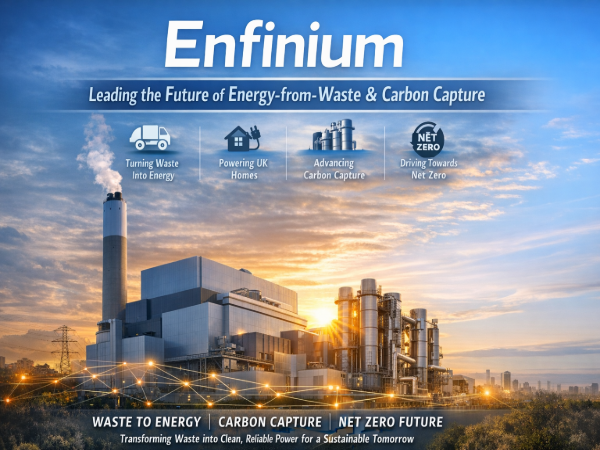
Enfinium is a leading UK energy-from-waste company that converts unrecyclable waste into electricity, helping reduce landfill dependency and support national energy security. Through advanced facilities and investment in carbon capture technology, the company contributes to lower emissions and plays an important role in the UK’s transition toward net zero.
Introduction to Enfinium
Enfinium is one of the United Kingdom’s major energy-from-waste (EfW) operators, focused on turning unrecyclable waste into reliable electricity. Instead of sending residual waste to landfill, the company processes it in advanced facilities where it is safely treated and used to generate power for homes and businesses.
As the demand for cleaner energy and sustainable waste solutions grows, Enfinium plays a significant role in supporting environmental goals while strengthening the country’s energy infrastructure. By combining innovation, engineering expertise, and long-term sustainability planning, the company contributes to both waste reduction and renewable electricity generation.
Understanding Energy-from-Waste (EfW)
Energy-from-waste is a process that converts non-recyclable waste materials into usable energy. When waste arrives at an EfW facility, it is carefully managed and processed under controlled conditions. The heat generated from this process produces steam, which drives turbines to generate electricity.
This approach offers several advantages:
Reduces landfill usage
Generates reliable electricity
Supports waste management systems
Helps lower methane emissions from landfill sites
Contributes to energy security
Enfinium operates within this framework, ensuring that waste that cannot be reused or recycled still has value as an energy resource.
Why Enfinium Matters in the UK Energy Landscape
The United Kingdom faces two major challenges: managing growing waste volumes and ensuring stable, low-carbon energy supply. Enfinium addresses both issues simultaneously.
Reducing Dependence on Landfill
Landfill sites can produce methane, a potent greenhouse gas. By diverting unrecyclable waste away from landfill, Enfinium helps reduce these environmental impacts. Energy recovery provides a more efficient alternative for materials that cannot be reused.
Supporting Energy Security
Electricity generated from waste provides a consistent and dependable source of power. Unlike some renewable sources that depend on weather conditions, energy-from-waste facilities operate continuously, contributing to grid stability.
Contributing to Sustainability Goals
Enfinium aligns its operations with broader sustainability objectives, including decarbonisation and environmental responsibility. Its long-term investments focus on improving efficiency and reducing emissions across its facilities.
Carbon Capture and Decarbonisation Strategy
One of the most important areas of development for Enfinium is carbon capture technology.
What Is Carbon Capture?
Carbon capture involves collecting carbon dioxide (CO₂) emissions produced during energy generation before they enter the atmosphere. The captured CO₂ can then be stored safely underground or used in other industrial processes.
Why It Matters
Although energy-from-waste helps reduce landfill emissions, it still produces some carbon dioxide during operation. By implementing carbon capture systems, facilities can significantly reduce their overall environmental impact.
Enfinium’s Commitment
Enfinium is investing in advanced carbon capture solutions as part of its long-term strategy. These investments aim to:
Lower operational emissions
Support net zero targets
Develop scalable carbon removal systems
Position the company as a leader in low-carbon waste management
This forward-thinking approach demonstrates the company’s commitment to innovation and environmental progress.
Contribution to Net Zero Goals
Net zero refers to balancing the amount of greenhouse gases emitted with the amount removed from the atmosphere.
Enfinium supports this transition by:
Generating low-carbon electricity
Reducing methane from landfill
Investing in carbon capture
Improving facility efficiency
As the UK continues working toward climate targets, companies like Enfinium play a crucial role in bridging waste management and clean energy production.
How Enfinium Facilities Operate
Enfinium facilities follow strict environmental and safety regulations. The general process includes:
Waste Delivery – Residual waste is transported to the facility.
Controlled Combustion – Waste is processed in high-temperature systems.
Energy Generation – Heat produces steam, which drives turbines.
Electricity Distribution – Power is supplied to the national grid.
Residue Management – By-products are handled responsibly, with efforts to recycle where possible.
This system ensures efficient energy recovery while maintaining environmental compliance.
Supporting the Circular Economy
A circular economy focuses on keeping materials in use for as long as possible. While recycling remains the priority, not all materials can be reused. Enfinium supports the circular economy by ensuring that residual waste still generates value instead of becoming landfill.
This approach helps:
Minimize waste disposal impacts
Extract maximum resource value
Encourage responsible consumption patterns
Strengthen sustainable infrastructure
Economic and Community Impact
Beyond environmental benefits, Enfinium contributes to local and national economies.
Job Creation
Energy-from-waste facilities require skilled engineers, technicians, environmental specialists, and operational staff. These roles support local employment and technical development.
Infrastructure Investment
Large-scale facilities involve significant long-term investment, supporting regional development and industrial growth.
Community Engagement
Modern energy facilities often engage with local communities to promote transparency, education, and environmental awareness.
Innovation and Technology Development
Innovation is central to Enfinium’s strategy. The company focuses on improving efficiency, emissions performance, and carbon capture integration.
Key areas of innovation include:
Advanced emissions monitoring
Improved turbine efficiency
Carbon capture pilot programs
Engineering optimization
Data-driven operational improvements
These advancements help strengthen performance and environmental outcomes.
Environmental Performance Standards
Energy-from-waste facilities must meet strict environmental regulations. Enfinium operates under comprehensive monitoring systems that track emissions, air quality, and operational safety.
Key environmental priorities include:
Reducing overall carbon intensity
Ensuring safe waste processing
Minimizing environmental footprint
Meeting compliance standards
Continuous performance improvement
These measures ensure responsible and transparent operations.
The Role of Waste-to-Energy in Modern Sustainability
While recycling remains essential, waste-to-energy complements recycling by managing materials that cannot be reused.
Benefits include:
Diverting waste from landfill
Producing steady electricity
Supporting energy resilience
Reducing greenhouse gas emissions from landfill
Integrating with carbon capture systems
This company operates within this broader sustainability framework.
Future Outlook
The future of this energy-from-waste operator is closely connected to carbon capture expansion and advanced decarbonisation technologies.
Planned developments may include:
Scaling carbon capture across facilities
Enhancing energy efficiency
Expanding operational capacity
Supporting low-carbon industrial systems
Strengthening contribution to national climate strategies
As environmental expectations evolve, continued investment in innovation positions this organization as a forward-looking company within the UK energy sector.
Why It Is Considered a Leader
This industry leader is widely recognized for:
Large-scale energy-from-waste operations
Significant waste diversion from landfill
Active carbon capture initiatives
Commitment to net zero alignment
Continuous technological improvement
Its integrated approach combines waste management, electricity generation, and emissions reduction into a unified sustainability strategy.
Conclusion
This modern energy company represents a solution to two pressing challenges: managing unrecyclable waste and producing reliable low-carbon energy. By transforming millions of tonnes of waste into electricity, reducing landfill dependency, and investing in carbon capture technologies, the organization contributes meaningfully to sustainability goals and national energy security.
Through innovation, environmental responsibility, and long-term strategic planning, this clean energy operator is helping shape the future of sustainable waste management and power production in the United Kingdom.