Hugo Bachega: The Fearless Journalist Redefining War Reporting
A deep dive into his life, work, challenges, influence, and legacy

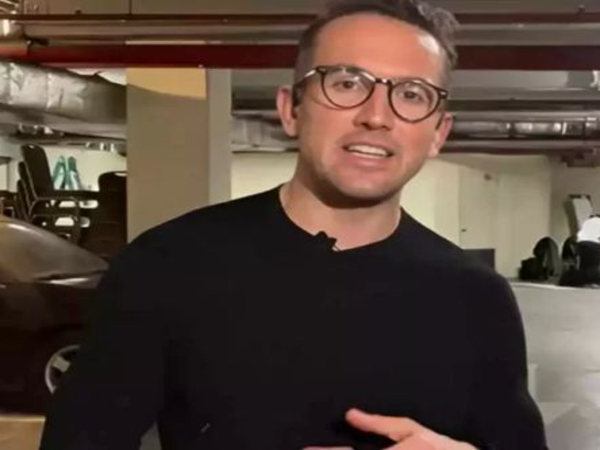
Hugo Bachega has become a name synonymous with courageous, ground‑level reporting from some of the world’s most dangerous conflict zones. In an era where news is often shaped by sensationalism and distance, Bachega represents something rarer: a journalist who confronts chaos directly, bringing truth to audiences without compromise. Through his work with major international outlets and his ongoing coverage of global crises, Hugo Bachega has proven himself not only as a reporter but also as a storyteller, chronicling history as it unfolds with clarity, humanity, and unfiltered honesty.
Introduction: Who Is Hugo Bachega?
Hugo Bachega is a journalist whose work stands at the intersection of risk, responsibility, and remarkable clarity. In a world filled with rapid news cycles and fragmented reporting, he brings depth and human perspective to stories that matter most. His commitment to on‑site reporting from active conflict zones marks him as a journalist willing to face danger to deliver truth.
Early Life and Background
While not all personal details about Hugo Bachega are widely publicized, it is generally acknowledged that his formative years shaped his journalistic instincts. Born into an environment that encouraged curiosity, Bachega grew up with a keen awareness of global dynamics. His early years in Brazil gave him a multicultural perspective and language skills that later helped him bridge communication across diverse regions.
How Hugo Bachega Started in Journalism
Before becoming a globally recognized correspondent, Bachega began his media career in regional reporting. His early assignments involved covering local politics, societal issues, and economic trends. This foundation taught him how to break down complex subjects into relatable narratives—a skill that would become invaluable when reporting from international hotspots.
It was not long before his ambition drove him toward international journalism. Recognizing that world events were often misunderstood or oversimplified in mainstream media, Bachega pursued opportunities that placed him directly at the scenes of critical events.
Career at the BBC
Hugo Bachega’s rise to prominence accelerated when he joined one of the world’s most respected news organizations. As a foreign correspondent, he has covered pivotal global events often under extreme conditions. His association with international broadcasters enhanced his visibility and allowed him to cover stories from a global platform.
At the BBC, Bachega covered wars, uprisings, and humanitarian crises with professionalism and emotional intelligence. His reporting extended beyond political analysis; it brought human experiences to the forefront, giving audiences a deeper understanding of the costs of war and instability.
Reporting from War Zones
Hugo Bachega is best known for his frontline coverage from areas of violent conflict. From the Middle East to Eastern Europe, his reports bring viewers into environments where danger is immediate and uncertainty is constant.
What sets Bachega apart is not just his presence in these zones but his calm delivery and ability to communicate complex, evolving situations clearly. Whether a city under bombardment or towns struggling with displacement, his stories focus on human resilience, suffering, and survival.
These reports require not only journalistic skill but extraordinary courage. Navigating violence, shattered infrastructure, and unpredictable battles, Bachega’s work reflects a commitment few journalists sustain.
Hugo Bachega’s Unique Style and Influence
Bachega’s reporting style blends analytical precision with empathetic storytelling. Rather than treating conflict as a spectacle, he focuses on context—explaining not only what is happening but why it matters. This approach deepens viewer understanding and fosters emotional connection with the people affected by international events.
His influence extends to aspiring journalists who see in his work a model for ethical, impactful reporting. He demonstrates that journalism can be both informative and compassionate.
Hugo Bachega’s Age and Personal Life
Details about Hugo Bachega’s age are not widely disclosed in public records, as Bachega tends to keep his personal life private. However, estimates based on career milestones indicate that he is likely in his early to mid‑30s. His focus has consistently remained on his professional responsibilities rather than publicizing private aspects of his life.
This deliberate privacy reflects a common choice among serious journalists who prefer their work to be the primary focus of attention rather than the personal details that often surround media personalities.
Family and Cultural Roots
Information about Hugo Bachega’s family is limited, as he has not publicly shared many details about his relatives. It is known that his cultural background includes Brazilian roots, which have informed his bilingual capabilities and cultural fluency. These abilities have allowed him to operate effectively in multiple countries and connect with diverse subject populations during his reporting.
Although specifics about his parents, siblings, or extended family are not publicly available, it is clear that Bachega’s upbringing prepared him for the global stage in journalism.
Hugo Bachega’s Net Worth
Estimating the net worth of a journalist like Hugo Bachega is challenging because journalists generally do not publicize financial details. Based on his career with major news organizations and his international profile, it is reasonable to assume that his professional earnings align with experienced foreign correspondents.
Journalists covering conflict zones are often compensated at rates reflecting their expertise and risk. However, they do not typically command the same public net worth visibility as entertainment or business figures. As a result, precise figures are not available, but his net worth is likely reflective of a successful and established career in international journalism.
Hugo Bachega on Wikipedia
At this time, Hugo Bachega may not have a dedicated page on Wikipedia, or the public details available there might be limited. Many journalists—especially those focused on reporting rather than personal branding—do not have extensive entries on major public encyclopedias.
If a Wikipedia entry exists, it would likely summarize his education, major assignments, employer affiliations, and reporting highlights. However, not all accomplished journalists are guaranteed detailed entries, as Wikipedia depends on verifiable public sources and contributions from its user community.
Impact on Journalism and Future Projects
Hugo Bachega’s impact on journalism is best measured by the authenticity and trustworthiness of his reporting. In an age of misinformation and surface‑level coverage, he has upheld the principles of truth, context, and human focus.
His work continues to inform global audiences about international events, shaping how people understand war, conflict, and the resilience of affected communities. As global dynamics evolve, his reporting is likely to remain relevant, chronicling developments as they unfold.
Future projects may include expanded multimedia reporting, documentary work, or mentorship roles supporting new generations of journalists committed to ethical and courageous coverage.
Challenges of Reporting in Conflict Areas
Reporting from war zones is inherently dangerous. Journalists face threats from active combat, displacement, limited resources, and unpredictable environments. Bachega’s work involves logistics, security protocols, quick decision‑making, and mental resilience.
The emotional toll of witnessing human suffering is significant. Journalists like Bachega must balance professional duty with personal wellbeing—a challenge that requires mental strength, preparation, and support.
Despite these challenges, his persistence contributes directly to global awareness and accountability, helping citizens around the world understand the realities of conflict.
Why Hugo Bachega Matters in Today’s Media
In a media landscape crowded with opinion and speculation, Hugo Bachega represents clarity rooted in firsthand experience. His contributions reinforce the importance of journalism as a public service, not entertainment.
Audiences depend on reporters like Bachega to see beyond headlines—to understand context, history, and the lived experiences of people on the ground. This role is critical in shaping informed public opinion and promoting global empathy.
Conclusion: A Legacy of Truth and Courage
Hugo Bachega stands among the most impactful journalists of his generation—defined not by fame, but by integrity, dedication, and courage. From war zones to international crises, his reporting delivers truth with empathy, depth, and clarity. While the world continues to change, his work remains a powerful testament to the role journalists play in documenting history and amplifying the voices of those living through it.