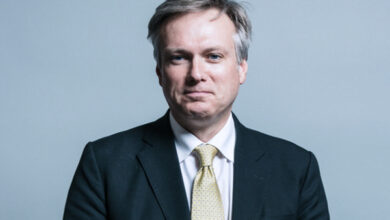
James Meadway: Economist, Climate Thinker, and Voice of Progressive Economic Reform
A detailed profile of his career, ideas, age, family, net worth, and public influence


James Meadway is a British economist, policy adviser, and writer known for his work on progressive economic theory, climate-focused macroeconomics, and criticism of austerity-driven policy. He has served as Chief Economist at the New Economics Foundation and advised senior UK political figures, contributing to debates on public investment, inequality, and sustainable growth. Meadway is also recognized for connecting environmental crisis with economic systems, arguing that climate change is not separate from economics but central to how modern economies function.
Table of Contents
ToggleIntroduction to James Meadway
James Meadway is widely regarded as one of the prominent voices in contemporary British economic debate, particularly within progressive and heterodox economic circles. His work challenges conventional economic thinking by emphasizing the role of the state in managing economic transformation, addressing inequality, and responding to climate change.
Unlike traditional economists who focus narrowly on markets and growth metrics, Meadway places strong emphasis on real-world constraints such as environmental degradation, energy systems, and financial instability. This approach has made him a notable figure in discussions around post-2008 economic recovery and the future of capitalism in the context of ecological crisis.
He has built a reputation not only as an academic and policy thinker but also as a public communicator, frequently contributing to media outlets and podcasts that aim to make economics more accessible to wider audiences.
Early Career and Professional Background
James Meadway’s professional journey began in economic policy roles within the UK government and related institutions. Early in his career, he worked in areas connected to economic development and innovation policy, gaining practical experience in how government decisions shape economic outcomes.
He later moved into more prominent advisory roles, including working as an economic adviser to senior political leadership in the UK. One of his most notable positions was serving as an adviser to John McDonnell during McDonnell’s tenure as Shadow Chancellor of the Exchequer. In this role, Meadway contributed to shaping alternative economic strategies focused on public investment and industrial policy.
His career path reflects a shift from traditional policy administration toward more critical and reform-oriented economic thinking, particularly after the global financial crisis of 2008, which reshaped debates around austerity and government spending.
Role at the New Economics Foundation
One of the most significant positions in Meadway’s career was his appointment as Chief Economist at the New Economics Foundation (NEF). The NEF is a UK-based think tank that promotes economic alternatives focused on sustainability, fairness, and well-being rather than purely GDP-driven growth.
At NEF, Meadway worked on a wide range of issues including:
- Economic inequality and redistribution
- Public investment strategies
- Labour market reforms
- Climate and environmental economics
- Critiques of austerity policies
His work at NEF helped strengthen his public profile as a leading voice in progressive economics, particularly in opposition to policies that prioritize fiscal tightening over social investment.
Economic Ideas and Theoretical Contributions
James Meadway’s economic thinking is shaped by a belief that mainstream economics often fails to reflect real-world constraints. A central theme in his work is the argument that economics must account for environmental limits, particularly climate change and resource depletion.
He is known for several key ideas:
Climate as an economic driver
Meadway argues that climate change is not an external issue outside of economics but a core factor that directly influences inflation, supply chains, energy systems, and long-term growth patterns.
Critique of austerity
He is strongly critical of austerity policies implemented in the UK after the financial crisis. He argues that cutting public spending during periods of economic weakness can deepen inequality and slow recovery rather than improve fiscal health.
Role of public investment
Meadway supports active government involvement in the economy, particularly through infrastructure spending, green energy investment, and industrial strategy aimed at long-term transformation.
Rethinking economic growth
He challenges traditional assumptions that economic growth should always be the primary policy goal, instead advocating for “sustainable growth” aligned with environmental constraints and social well-being.
Public Communication and Macrodose Podcast
In addition to his policy and academic work, James Meadway is known for his efforts to communicate economic ideas to a broader audience. He is the host of the Macrodose podcast, where he discusses global economic developments in a concise and accessible format.
The podcast focuses heavily on:
- Macroeconomic trends
- Climate-related economic changes
- Policy debates in the UK and globally
- The intersection of politics and economics
Through this platform, Meadway aims to bridge the gap between complex economic theory and everyday understanding, making policy debates more accessible to non-specialists.
James Meadway Age
James Meadway’s exact age is not publicly confirmed in widely available reliable sources. While he is an established economist with a long career in public policy and think tank work, specific details about his date of birth are not officially documented in public biographical records.
Because of this, his age is generally not listed in official profiles or mainstream references. What is known is that he belongs to a generation of economists who came into prominence in the post-2000s policy environment, particularly after the global financial crisis.
James Meadway Family
Information about James Meadway’s family is not publicly disclosed. He maintains a relatively private personal life, and there are no widely verified public records or interviews that provide details about his parents, spouse, or children.
This level of privacy is common among economists and policy advisers who operate primarily in academic, advisory, or media roles rather than entertainment or political office. As a result, discussions about his family life remain outside the scope of his public professional identity.
James Meadway Net Worth
James Meadway’s net worth is not publicly available and has not been officially disclosed. As an economist, writer, and policy adviser, his income sources are typically associated with think tank roles, advisory positions, speaking engagements, and media contributions.
Unlike corporate executives or public celebrities, economists in think tanks generally do not have publicly reported financial disclosures unless they hold government positions requiring such transparency. Therefore, any specific estimate of his net worth would be speculative and not based on verified information.
James Meadway Wikipedia Presence
James Meadway does not currently have a widely established standalone Wikipedia page with comprehensive biographical detail comparable to major political or academic figures. However, he is mentioned in various contexts across public sources related to his roles at the New Economics Foundation, his advisory work, and his economic commentary.
His growing media presence, especially through podcasts and opinion writing, means that his profile continues to expand in public discourse. It is possible that as his influence increases, a more detailed and structured Wikipedia entry may develop over time, consolidating his academic, advisory, and media contributions.
Public Influence and Recognition
James Meadway has gained recognition in UK economic and political debates for his clear critique of austerity and his emphasis on climate-centered economic policy. He is often associated with a broader movement of economists who seek to rethink traditional economic models in light of environmental and social challenges.
His influence is particularly notable in discussions about:
- Green industrial policy
- Economic inequality
- Public sector investment strategies
- Post-growth economic models
He is frequently cited in policy discussions and media commentary as part of a group of thinkers pushing for structural economic reform.
Conclusion
James Meadway represents a modern strand of economic thought that integrates climate awareness, public investment strategies, and critiques of austerity into a broader vision of economic reform. While personal details such as his age, family, and net worth remain private or undisclosed, his professional influence is clearly visible in UK policy debates and public economic discourse.
Through his academic work, advisory roles, and media presence, he continues to contribute to shaping how economists and policymakers think about the future of growth, sustainability, and state responsibility in a rapidly changing world.