Stage Electrics: Transforming Theatrical and Event Experiences with Cutting-Edge Technology
Unlock the Power of Stage Electrics to Elevate Lighting, Audio, Video, and Rigging Systems for Venues and Performances

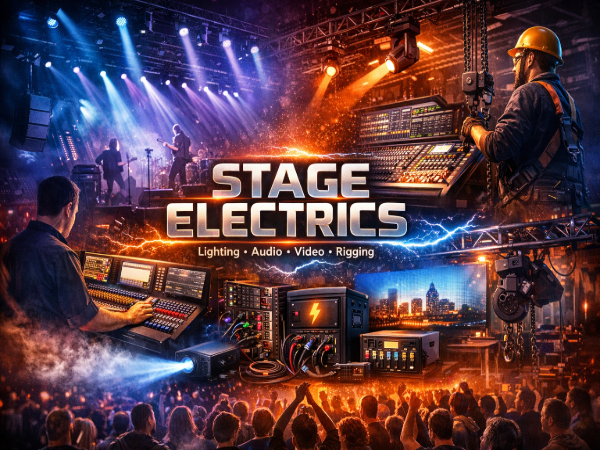
Stage electrics are the backbone of any professional theatre, concert, or live event, providing the essential electrical infrastructure to power lighting, audio, video, and rigging systems. Properly designed and installed stage electrics ensure safety, reliability, and optimal performance quality while allowing creative teams to focus on artistic expression. From small educational institutions to large corporate or entertainment venues, stage electrics enable seamless operation, precise control, and immersive audience experiences.
Introduction to Stage Electrics
Stage electrics refers to the comprehensive electrical systems and technical infrastructure required to operate lighting, sound, video, and rigging equipment in theatres, concert halls, corporate venues, and educational institutions. Without stage electrics, modern performances would not achieve the level of professionalism and creativity that audiences expect today. Stage electrics are more than just wires and circuits; they are carefully engineered systems that integrate power distribution, control systems, and safety measures to create flawless performances.
The role of stage electrics is critical in both the planning and execution phases of a performance. Technicians, often called theatrical electricians, work closely with lighting designers, audio engineers, and stage managers to ensure that every electrical component functions as intended. From power distribution to safety inspections, stage electrics play a vital role in delivering high-quality live events.
Key Components of Stage Electrics
Lighting Systems
Lighting is one of the most visible applications of stage electrics. Modern stage lighting systems include LED fixtures, spotlights, moving heads, and color-changing lights. Each fixture requires precise electrical input, control, and placement to achieve the desired visual effects. Stage electrics ensure that power is distributed safely and efficiently to all lighting instruments, while dimmers and control consoles allow lighting designers to create dynamic, synchronized effects for every scene or performance moment.
Audio and Sound Systems
Stage electrics are essential for powering audio systems, including microphones, amplifiers, speakers, and digital mixing consoles. High-quality sound enhances audience engagement and ensures clear communication during live events. Electrical systems for sound must be carefully designed to prevent interference, manage power loads, and maintain consistent signal quality. Proper grounding, cabling, and backup power solutions are critical aspects of audio-related stage electrics.
Video and Projection Systems
Modern performances increasingly incorporate video screens, projectors, LED walls, and interactive displays. Stage electrics provide the necessary infrastructure to power these systems and integrate them with lighting and audio for synchronized multimedia experiences. Reliable electrical systems ensure uninterrupted visuals, high resolution, and precise timing, all of which are crucial for live shows, corporate events, or educational presentations.
Rigging and Automation Systems
Rigging systems, including motorized hoists, winches, and moving stage elements, rely heavily on stage electrics. Automated systems allow for smooth scene changes, safe lifting of heavy props, and dynamic stage effects. Electrical systems for rigging must adhere to strict safety standards to prevent accidents, ensure load-bearing reliability, and enable precise movement during performances.
Power Distribution and Backup Systems
Stage electrics also involve designing the main power distribution for a venue, including circuit panels, transformers, and safety switches. Backup power systems such as generators or uninterruptible power supplies (UPS) are often integrated to prevent disruptions during critical moments. Properly designed stage electrics ensure that each system receives sufficient power without overloading circuits or causing equipment failure.
Benefits of Well-Designed Stage Electrics
Enhanced Performance Quality
With advanced stage electrics, venues can deliver high-quality lighting, sound, and multimedia experiences that captivate audiences. Precise control over each system allows artistic teams to execute creative visions flawlessly.
Safety and Compliance
Stage electrics are designed to meet strict safety codes, reducing the risk of electrical hazards, equipment malfunctions, and accidents. Regular maintenance and inspections ensure compliance with national and local regulations, creating a safe environment for performers, staff, and audiences.
Efficiency and Reliability
Integrated stage electrics streamline technical operations, reducing setup time, minimizing downtime, and enhancing operational efficiency. Reliable systems allow event organizers to focus on content and performance rather than troubleshooting technical issues.
Flexibility and Scalability
Modern stage electrics are designed to accommodate changing requirements, from small classroom performances to large-scale concerts. Scalable systems allow venues to expand capabilities without extensive rewiring or infrastructure upgrades.
Designing Stage Electrics for Different Venues
Theatres
In theatres, stage electrics must support elaborate lighting rigs, complex sound systems, and automation for stage scenery. The design focuses on balancing aesthetics, technical requirements, and audience experience.
Educational Institutions
Schools, colleges, and universities use stage electrics for auditoriums, lecture halls, and performance spaces. Systems are designed to be user-friendly, safe, and cost-effective while providing educational opportunities in technical theatre.
Corporate Spaces
Corporate events, product launches, and conferences require stage electrics that integrate lighting, sound, video, and networking. Systems are often modular, portable, and adaptable to different event formats.
Entertainment Venues
Concert halls, live music arenas, and multi-purpose event centers need stage electrics that handle high-capacity loads, dynamic lighting, and immersive audio-video experiences. Redundancy and reliability are critical to prevent interruptions.
Installation and Maintenance of Stage Electrics
Planning and Design
Stage electrics begin with a detailed plan that considers the venue’s architecture, performance requirements, and technical specifications. Load calculations, power distribution mapping, and safety compliance are key steps in the planning phase.
Installation Process
Professional electricians and technicians install all electrical components, including lighting fixtures, power panels, audio/video systems, and rigging motors. Each installation is tested for safety, functionality, and performance quality.
Maintenance and Upgrades
Routine inspections, maintenance, and upgrades ensure that stage electrics remain reliable and safe. Preventive maintenance prevents equipment failures and extends the life of technical infrastructure. Upgrading to modern systems can enhance performance capabilities and energy efficiency.
Innovations in Stage Electrics
Smart Lighting and Automation
Integration of intelligent lighting controls, automated dimming, and pre-programmed sequences allows creative teams to design visually stunning performances with minimal manual intervention.
Energy Efficiency
Modern stage electrics focus on reducing energy consumption by using LED lighting, efficient transformers, and optimized power distribution, lowering operating costs and environmental impact.
Remote Monitoring and Control
Advanced systems allow technicians to monitor and control stage electrics remotely. This innovation reduces setup time, enhances safety, and enables real-time troubleshooting during performances.
Challenges in Stage Electrics
Complexity of Systems: Integrating lighting, audio, video, and rigging requires careful planning and technical expertise.
Safety Compliance: Maintaining adherence to electrical codes and safety standards is essential.
Budget Constraints: High-quality stage electrics can be expensive, requiring venues to balance cost and performance needs.
Rapid Technological Changes: Keeping up with innovations requires ongoing training and upgrades.
Conclusion
Stage electrics form the invisible foundation of every successful performance, from school plays to large-scale concerts. By integrating lighting, audio, video, rigging, and power distribution, stage electrics enhance the quality, safety, and efficiency of events. Modern technologies, smart automation, and energy-efficient solutions allow venues to provide unforgettable experiences while ensuring reliability and safety. Investing in professional stage electrics is not just a technical necessity—it is a strategic decision that empowers creative teams, streamlines operations, and elevates the audience experience.
Stage electrics are the unsung heroes behind every performance, turning artistic vision into reality with precision, safety, and technical excellence.
